
Cooking Oils & Vegetable Oils
Refined Sunflower Oil and Other Cooking Oils: A Wholesale Buyer’s Guide
A practical cooking oils buying guide covering exact product identification, packaging questions, supporting documents and a clear destination-specific wholesale enquiry.
JVS Holdings Aps · 4 November 2004
Start with a purchasing brief
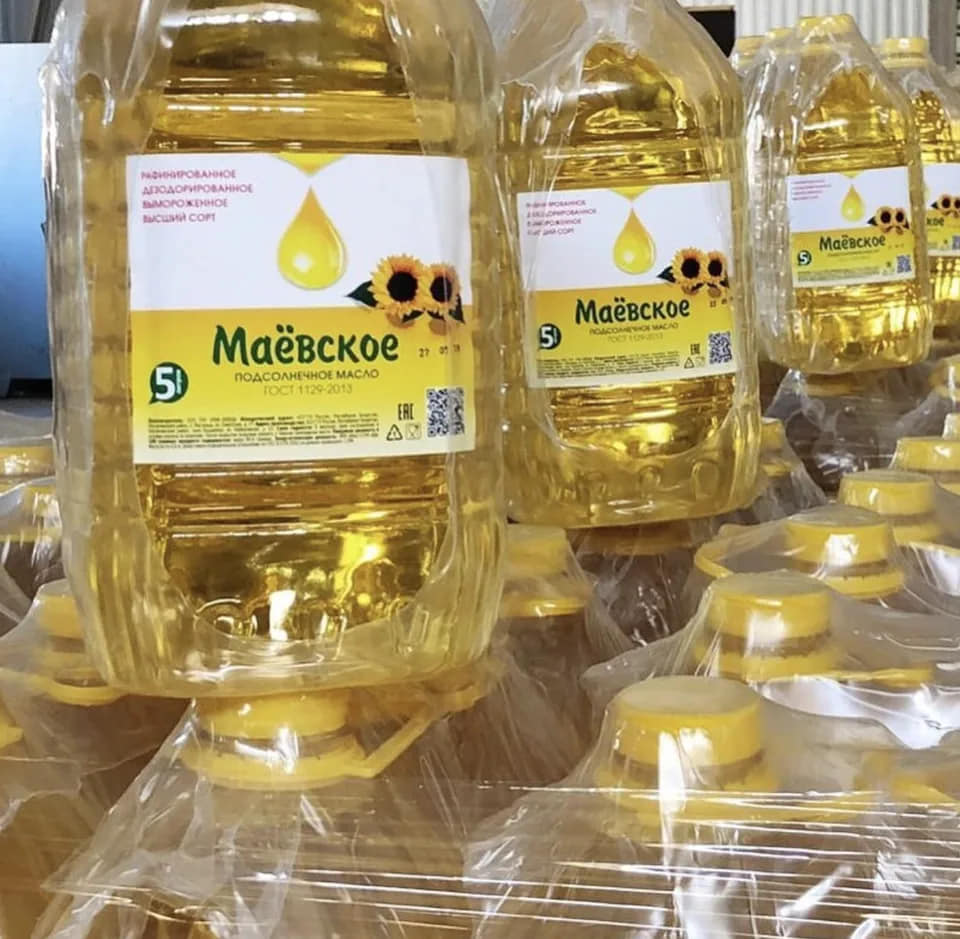
Refined Sunflower Oil and Other Cooking Oils: A Wholesale Buyer’s Guide starts with a practical question: what does your business need confirmed before it can approve a purchase? This guide helps purchasing teams organise that discussion. It uses the cooking oils & vegetable oils catalogue as a starting point, while keeping product identification, packaging and commercial terms separate. The catalogue is not a stock reservation or a final offer. Use the questions below to prepare your own brief, and ask for supporting information whenever a decision depends on an exact specification.
Name the oil and intended purchasing use
An enquiry for cooking oil should identify the actual oil and the intended application. A retail distributor seeking a named bottled product has different requirements from a food manufacturer discussing a bulk material. Refined sunflower oil, olive oil and other listed oils should not be treated as identical alternatives. If a catalogue description does not settle the product grade, ask the sales team for clarification. State which attributes are essential and which alternatives your business might review, without implying that all formats are currently offered.
Request product-specific specification evidence
Ask for a genuine specification sheet for the exact oil being quoted. If your manufacturing process depends on a technical value, provide the requirement and ask what supporting information is available. Do not turn owner-supplied figures into verified category-wide specifications. A buyer may also need to distinguish a food-use product from other materials in the wider catalogue. That question should be resolved through identification and documentation, not an assumption based on the appearance of an oil photograph or a broad commodity name.
Separate retail packs from bulk delivery formats
Packaging can be a central part of a cooking-oil enquiry. Explain whether you need a consumer-facing pack or a delivery format for further handling by your business. Ask which options can be quoted for the named oil and quantity. Bottles, jerrycans, drums and larger transport arrangements are questions to discuss, not promises of availability. Confirm the net quantity and unit of sale in the written offer. If your receiving site has transfer or handling restrictions, include them before discussing a proposed shipment.
Discuss traceability and supporting documents
Request the product identification, lot information and genuine documentation relevant to your procurement review. If your business needs origin, inspection or other statements, name the required evidence and ask whether it exists for the proposed goods. Do not assume one document can be used for all oils or destinations. Your own adviser should assess destination-specific requirements. Keep food-safety and technical conclusions tied to the exact product documents. A supplier conversation can clarify what information is available but cannot replace independent review where your business requires it.
Compare the complete oil quotation
List the oil, required quantity, packaging preference and delivery destination. Ask how the quotation describes product specifications and which payment and shipping responsibilities are included. Where two offers differ in pack or grade, compare them as different proposals rather than equivalent litres or tonnes. Clarify any loading estimates against the proposed shipment. Avoid unsupported factory-price claims: the relevant figure is the written quotation for your actual requirement. Record unresolved documents or specification questions before the purchasing team makes a commitment.
Make your internal review practical
Before approval, share the proposed cooking oils purchase with the people who will receive and use the goods. Ask whether the product identity, packaging description and available documents answer their questions. Record any unresolved point as a request for clarification, not an assumed feature. This gives the buying discussion a clear next step and keeps a different proposed product or shipment arrangement from being accepted by accident.
Your cooking oils enquiry checklist
Before requesting a quotation, check that your team can answer these questions: • Which exact cooking oils products are required, and are alternatives acceptable? • What quantity and unit of sale should be quoted for each line? • Which packaging details or product documents need written confirmation? • What destination country and delivery city or port apply? • Which receiving or inspection questions must your team resolve?
Send the shortlist to JVS Holdings Aps on WhatsApp with these details. Ask the sales team to distinguish confirmed information from points still under review. The final specification, payment terms and shipment responsibilities belong in the written quotation and agreement. Opening WhatsApp only prepares the discussion; review and send the message yourself.
Relevant product tags
- Cooking oils
- Wholesale cooking oils
- Bulk cooking oils
- Cooking oils purchasing
- Cooking oils suppliers
- Cooking oils product identification
- Cooking oils packaging
- Cooking oils cartons
- Cooking oils quotations
- Cooking oils sourcing
- Cooking oils destination enquiries
- Cooking oils documentation
- Cooking oils wholesale buyers
- Cooking oils retail purchasing
- Cooking oils distributor enquiries
Related products
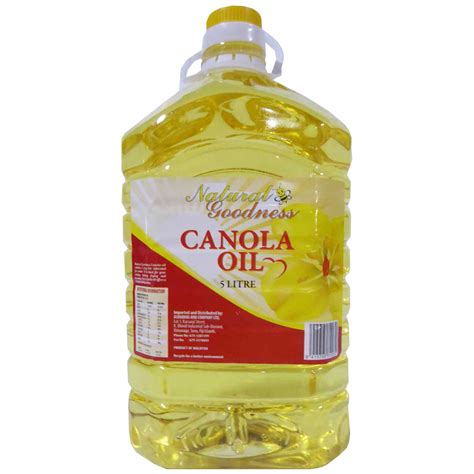
Canola Oil
Vegetable oil derived from rapeseed. Canola denotes low-erucic-acid rapeseed varieties.
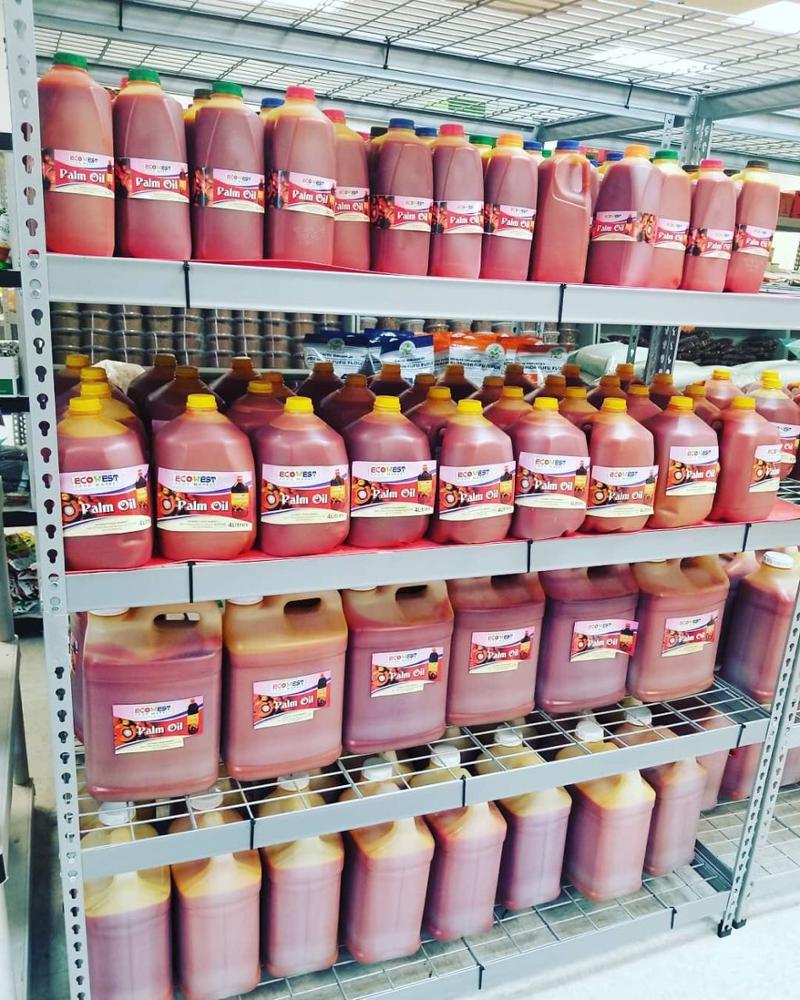
Palm Kernel Oil
Palm kernel oil is oil derived from the kernel of oil-palm fruit.
